
We quite often see visiting clients suffering from Plantar Fasciitis a pain in their foot which they feel has been building up for a while and gradually getting worse.
Plantar fasciitis a pain in the foot, quite literally.
The plantar fascia is a thick band of tissue that runs under the foot and often gets inflamed or has micro tears on it causing pain in the foot.
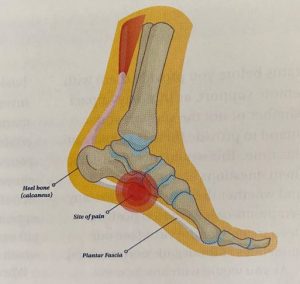
What Causes Plantar Fasciitis?
The usual cause of this injury is overuse and the repeated flexing of the ankle and dorsiflexion of the toes.
- This could be from starting running or increasing your training load greatly
- Dancers often suffer from this condition as they are on hard surfaces
- People who are on their feet all day, shop workers or nurses
- Those who wear shoes with inadequate support such as flip flops
What are the symptoms?
Plantar Fasciitis normally causes a stabbing pain in the bottom of the foot near the heel
The pain in the foot is normally worse in the first few steps after waking up before the sole of the foot is warmed up
Pain can be triggered by standing for a long time
Pain is usually worse after exercise, but eases during the activity.
Pain can be felt on stretching the plantar, combined with tightness in the calf
How can this injury be diagnosed?
Your therapist will spend time assessing the area, using pain questioning, palpation and observing movement . They should also carry out a ‘Windlass Test’ to confirm whether there is excesive tension in the fascia on the foot.
How to treat Plantar Fasciitis
Massaging the area will give relief, the more heat that can get into the area the better. Bodywork should be completed up the whole of the lower leg to fully relax all of the interconnect tissue. The aim is to improve pliability in the tissue, however this can cause pain in the foot.
If hands on treatment cant be tolerated initially due to pain, then other types of therapy such as dry needling or cupping can prove beneficial to the area.
All treatmemnt should include joint mobilisation as good ankle flexibility is key to a healthy plantar
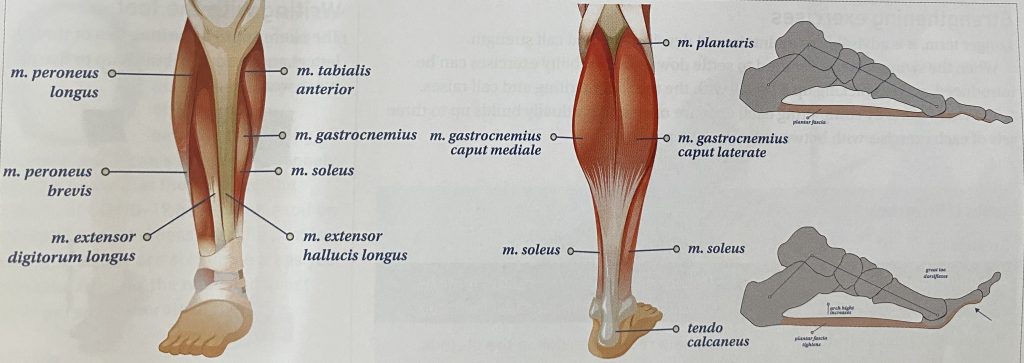
Rest is also advised to give the plantar time to recover fully – however we know that runners will be keen to ‘test it out’ – so other forms of activity should be undertaken such as swimming or strength training for the upper body or core.
Rehabilitation (what happens next)
Once the pain has gone then strength work should be completed regularly to ensure it does not return.
Calf raises will ensure that the calf is strengthened, plus writing the alphabet with the foot will build strength gradually using a tennis ball under the foot before something harder like a cricket ball to continue to work on the pliabilty of the sole.
If you are experiencing what you think may be Plantar Fasciitis or a pain in your foot, get in touch to be assesed to see how we can help you further.